Chapter 6 from 10 Disasters That Ruined Smart People
Richard Whitney: The White Knight
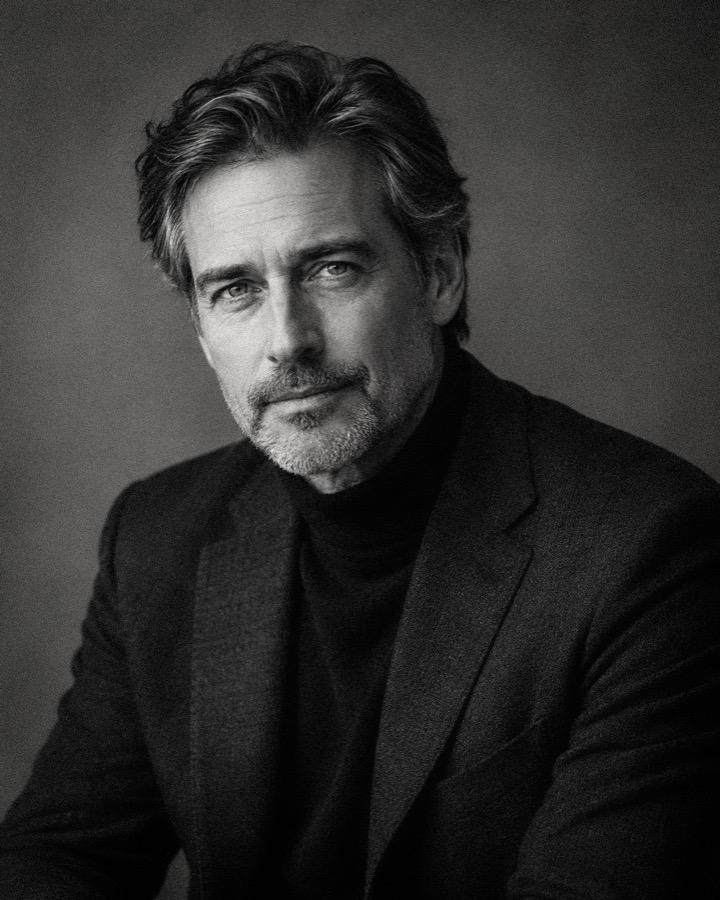
On October 24, 1929, the day that became known as Black Thursday, stock prices on the New York Stock Exchange were collapsing. A group of the country’s leading bankers decided to act. They chose Richard Whitney, one of the exchange’s most senior figures, to act for them. Whitney walked onto the trading floor and placed orders to buy blue-chip stocks, bidding well above the prices at which they were trading. The slide stopped for the day.50
The rescue proved temporary. Five days later, on Black Tuesday, the market collapsed again. But Whitney became a hero, the “White Knight of Wall Street.” The following year he was elected president of the New York Stock Exchange, and he served until 1935.51
He seemed to embody the financial establishment. He had attended Groton and Harvard. He was treasurer of the New York Yacht Club. When the new Securities and Exchange Commission pressed the exchange to reform in the 1930s, Whitney was one of the New Deal’s sharpest critics and led the exchange’s old guard in resisting.52
He was also, according to the Securities and Exchange Commission, running an insolvent firm.
The rest of this chapter is in the complete book.
It continues with the mechanism behind the loss and ends with The Pattern, plus the sources for every claim.
Notes and sources
- “Richard Whitney (financier),” Wikipedia, citing John Brooks, Once in Golconda (1969). ↩
- “Richard Whitney (financier),” Wikipedia. ↩
- “Richard Whitney (financier),” Wikipedia; Securities and Exchange Commission Historical Society, “William O. Douglas and the Growing Power of the SEC” (online gallery). ↩
Read the whole story.
The complete digital edition: all ten chapters, The Seven Patterns, 97 endnotes and every source. 64 pages, PDF, $19.